
- Tel: (956) 713-1189
- Appointment

Mold Inspection Blog
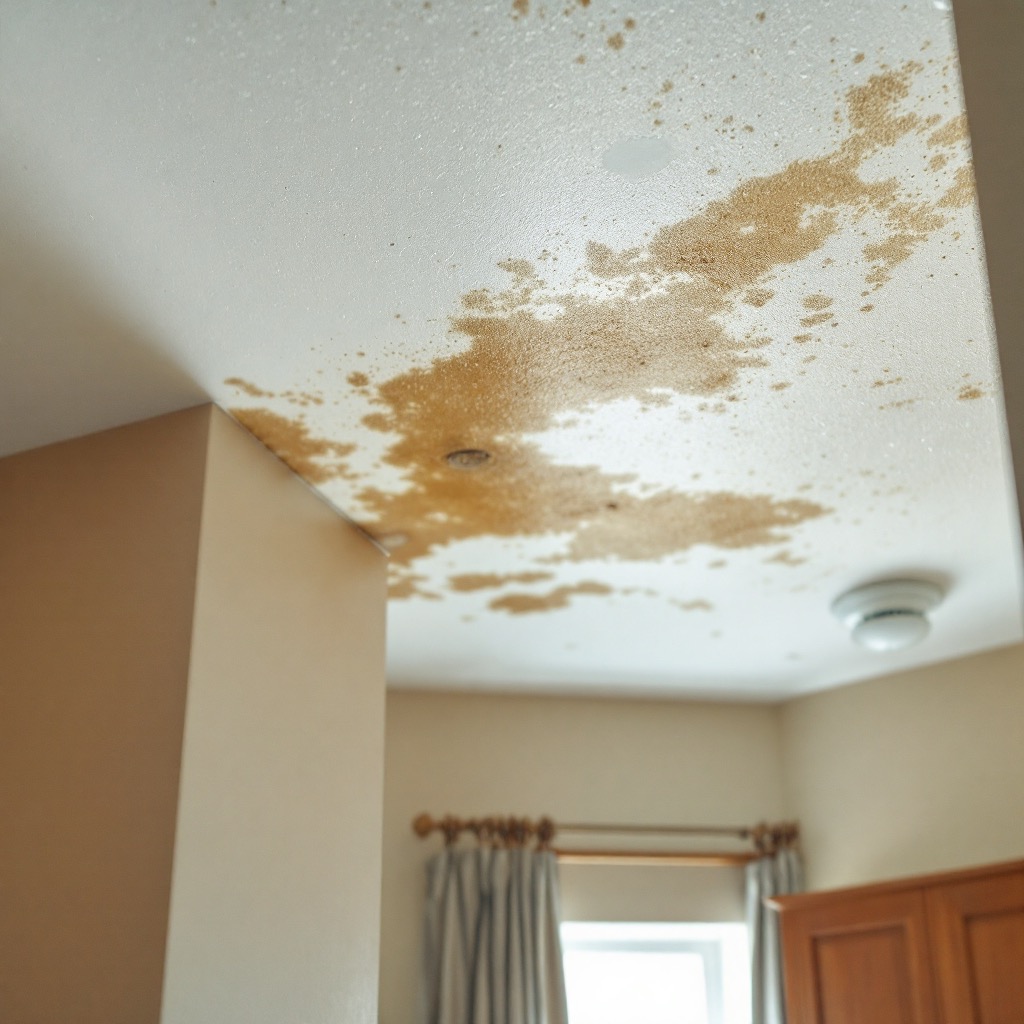

5 warning signs of a hidden mold problem in your home.
Mold rarely announces itself. Long before you see a visible patch, your home gives off subtle clues: a persistent musty smell, paint or wallpaper that bubbles and peels, dark grout that keeps coming back, allergy symptoms that ease when you leave the house, and water staining on ceilings or baseboards. Recognizing these signs early lets you act before a small problem spreads behind walls.
- 14th August, 2024
- 5 Comments
- Inspection, Prevention, Health
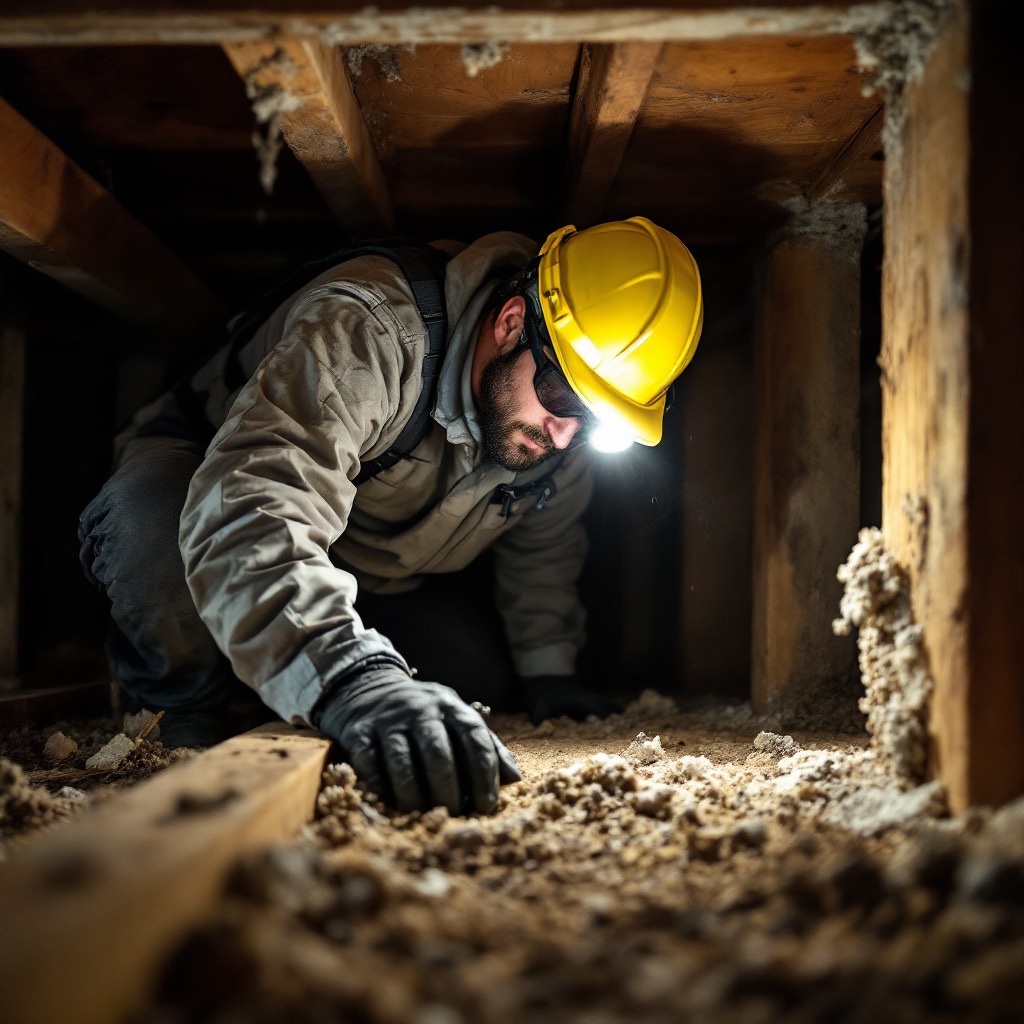

Why you should test for mold before buying a home.
A standard home inspection checks structure and systems, but it rarely confirms whether the air you will be breathing is clean. A pre-purchase mold assessment uses air sampling and moisture readings to identify hidden growth in attics, crawlspaces and behind finished walls, giving you the information you need to negotiate repairs or walk away before closing.
- 10th July, 2024
- 2 Comments
- Testing, Real Estate


What air sampling reveals about your indoor air.
Air sampling captures the spores you cannot see. By collecting samples indoors and outdoors, an inspector can compare the two and determine whether the home has an active mold problem, which species are present, and roughly how severe the contamination is. The laboratory report turns a vague worry into clear, actionable data.
- 10th July, 2024
- 2 Comments
- Air Quality, Testing

Black mold and Stachybotrys: separating fact from fear.
Stachybotrys chartarum, often called black mold, gets a great deal of attention, but color alone cannot identify it and not every dark stain is dangerous. Many common molds appear dark green or black. Only laboratory analysis of a sample can confirm the species, which is why an objective inspection matters more than guesswork.
- 15th June, 2024
- 2 Comments
- Health, Education
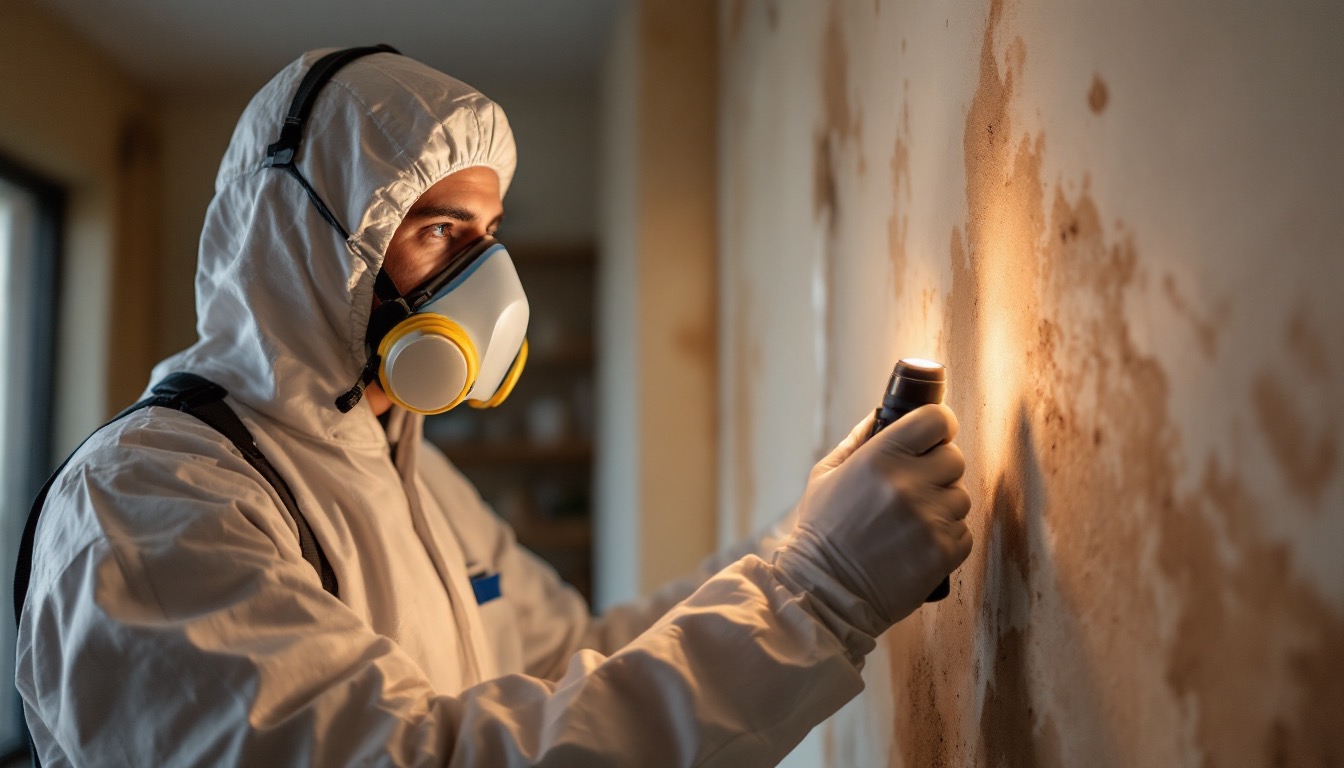
How to choose an independent mold inspector.
The most reliable mold assessments come from inspectors who do not also sell remediation work, because that independence removes any incentive to overstate a problem. Look for proper certification, laboratory-backed sampling, written reports with clear findings, and a willingness to explain results in plain language rather than scare tactics.
- 28th May, 2024
- 5 Comments
- Inspector, Advice
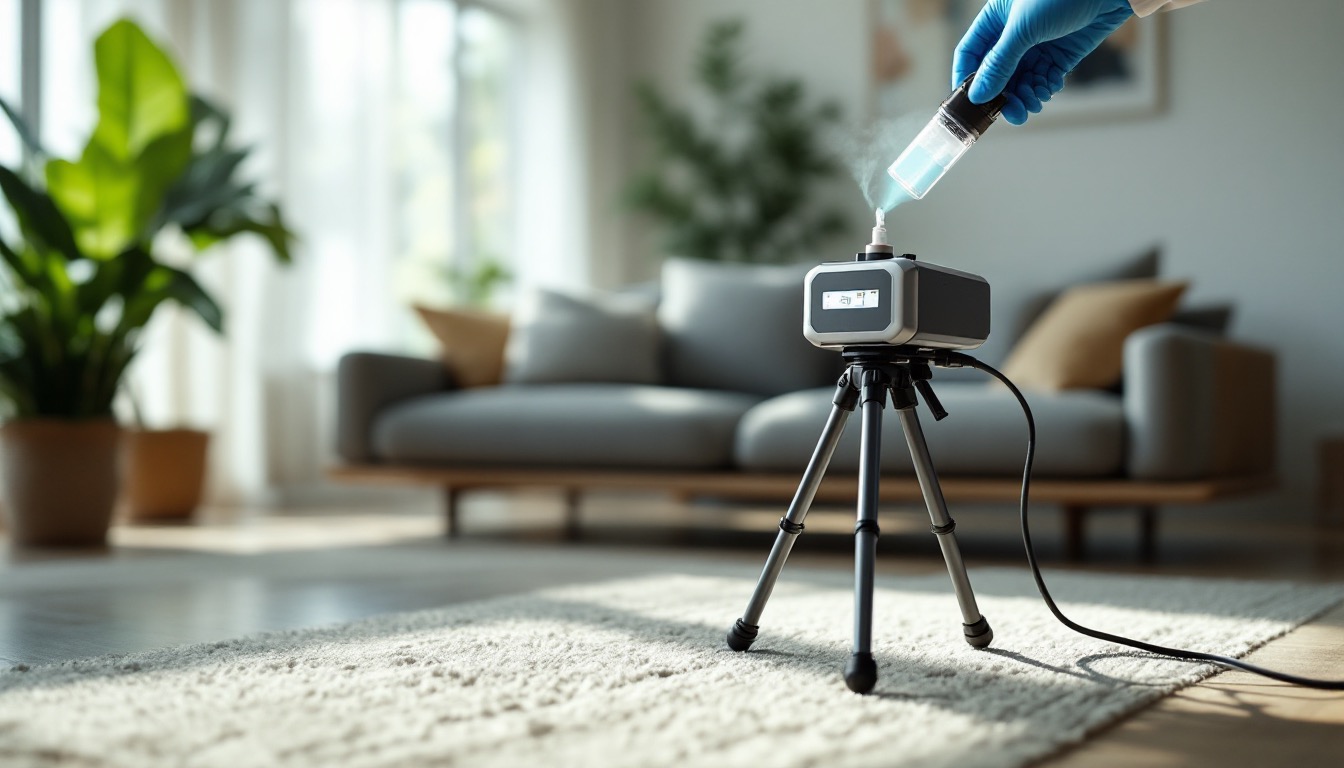
What to do in the first 48 hours after a water leak.
Mold can begin colonizing damp drywall, carpet and wood within 24 to 48 hours, so the hours right after a leak matter most. Stop the water source, remove standing water, increase airflow with fans and dehumidifiers, and document everything for insurance. If materials stay wet beyond two days, schedule an inspection to confirm whether mold has taken hold.
- 05th May, 2024
- 2 Comments
- Water Damage, Prevention
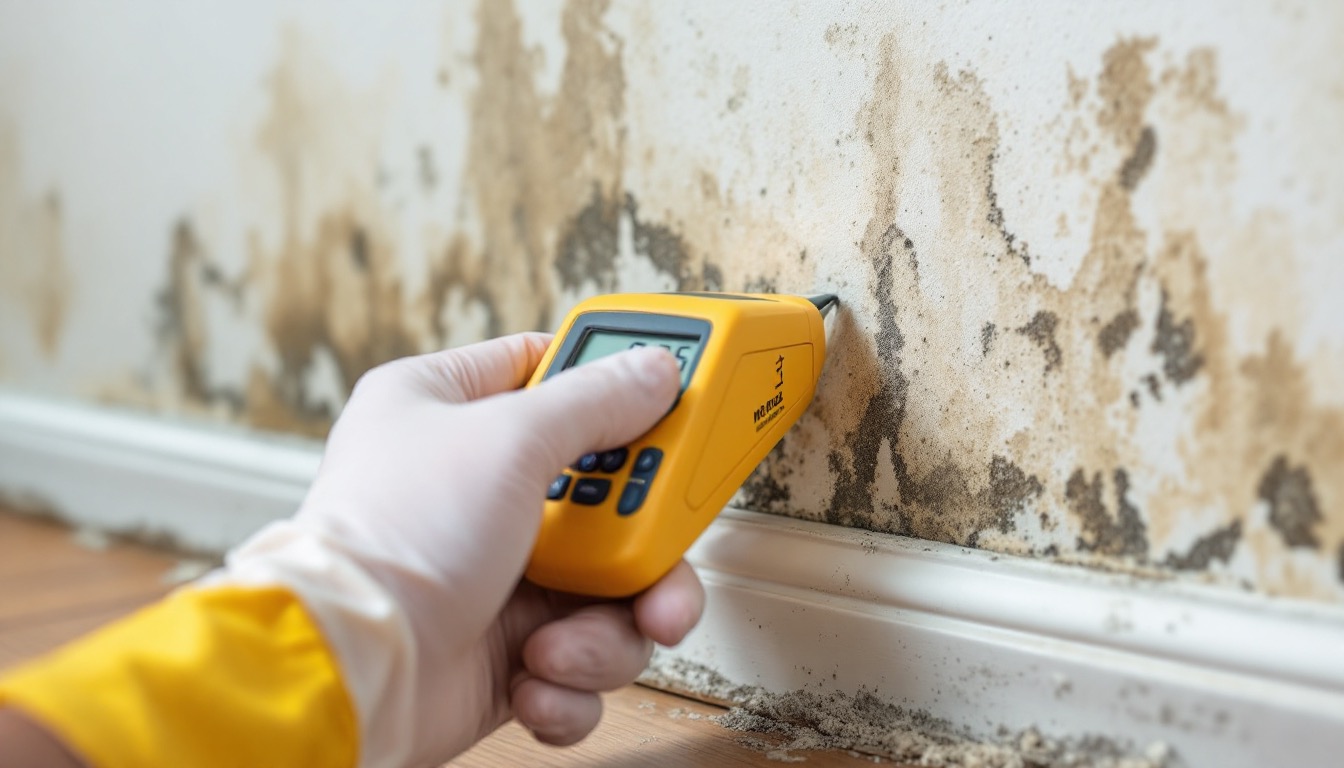
What clearance testing means after remediation.
Remediation is not finished until clearance testing proves it. After the cleanup crew leaves, an independent inspector verifies that containment held, surfaces are visibly clean and dry, and airborne spore counts have returned to normal levels. Passing clearance is your written assurance that the space is safe to reoccupy.
- 27th April, 2024
- 0 Comments
- Clearance, Testing